
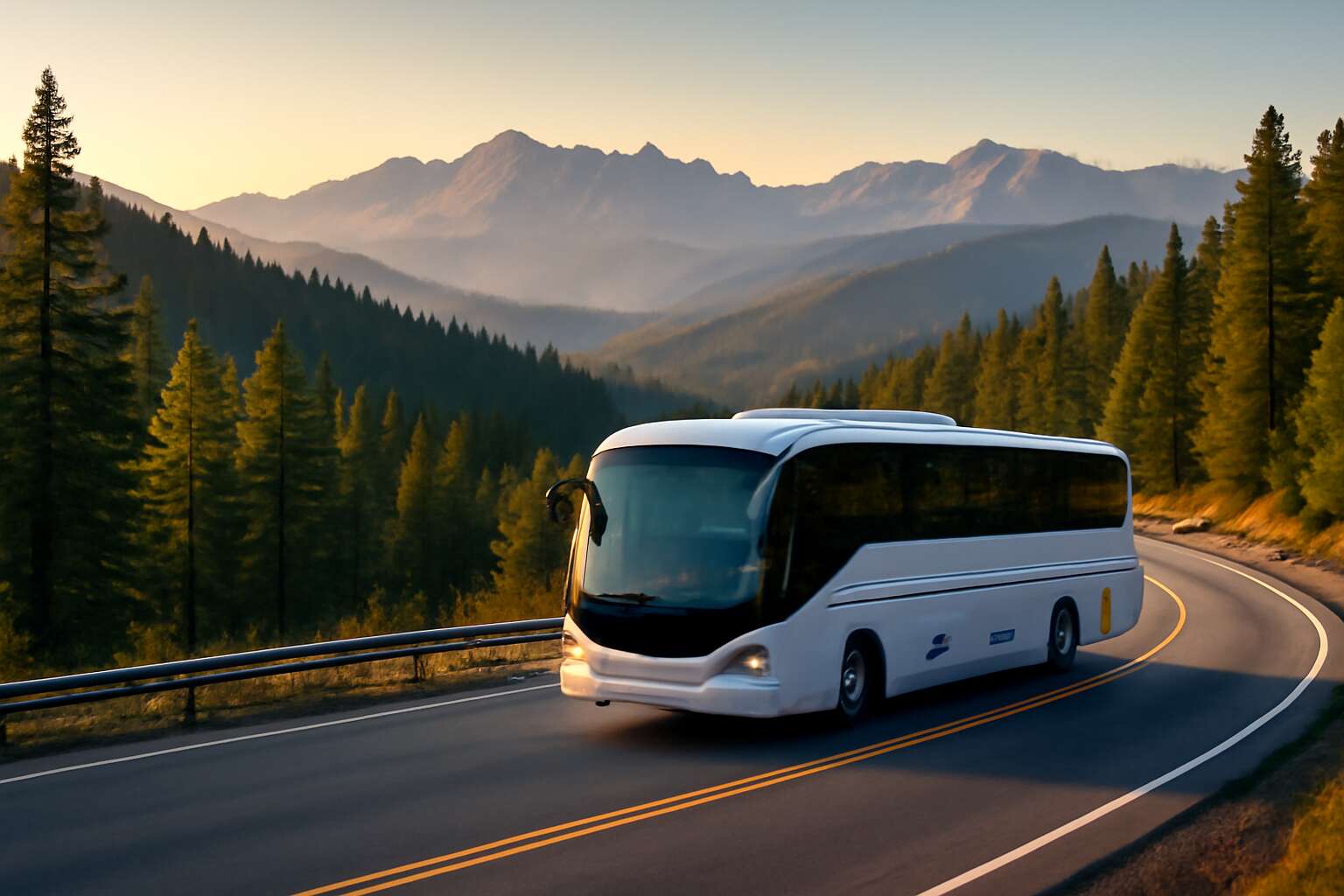
bus travel time manila to baguio – overview
Understanding distance and typical durations
Cities on a map rarely tell the whole story of a road trip, especially when pine-scented air is involved. For South African readers, this route feels like a distant cousin of a coastal drive—only with mountains and a cooler wind. Manila to Baguio clocks in at roughly 250 kilometers of mountain ribbon, and the journey isn’t a straight line but a scenic negotiation. The punchy fact you need: bus travel time manila to baguio usually hovers around 6 to 8 hours, with coffee stops and a chorus of groans from the back row.
Here are the levers that move the clock on this route:
- Distance and terrain: about 250km of winding mountain roads that demand patience and good brakes.
- Traffic and stops: urban snarl-ups near Metro Manila and occasional pause-worthy coffee breaks that extend the journey.
- Weather and road conditions: rain, fog, and occasional landslides can nudge the clock forward.
Factors influencing travel time on the Manila to baguio route
A ribbon of road unfurls from Manila toward Baguio, a journey that feels less like transit and more like a breath held at altitude. For South African readers, it echoes a coastal drive inverted by pine-scented air and a cooler wind that carries stories on every switchback. The Manila to Baguio run reveals a theatre of variables where time loosens its grip.
- Urban snarl near Metro Manila that splices patience with the road crew’s pauses.
- Weather that wags its clouded finger—rain, fog, and the odd landslide nudging the clock further.
- Occasional coffee stops that become unplanned waypoints on the journey.
In this landscape, the phrase bus travel time manila to baguio becomes less a schedule and more a chorus of hills, engines, and memory.
Estimated travel times by bus types
On the Manila-to-Baguio corridor, the clock is a cooperative witness. A typical bus journey lands in roughly 5 to 6 hours on average—a statistic that feels almost philosophical when the pine-scented wind is in your windows. For those tracking bus travel time manila to baguio, here is a concise, orderly breakdown by bus type—and a reminder that the road wears many moods, from blue skies to sudden fog.
- Ordinary/Non-AC buses: about 6–7 hours, with the occasional coffee stop elongating the sentence of travel.
- Air-conditioned (AC) buses: typically 5–6 hours, streamlined by fewer mid-route pauses.
- Deluxe or Luxe coaches: often 4.5–5.5 hours, weather permitting and traffic as co-pilot.
These durations invite anticipation, not a rigid timetable—each mile composes a note in a larger, legato journey.
Planning around delays and peak traffic periods
On the Manila-to-Baguio corridor, the clock becomes a curious companion. In calm weather, bus travel time manila to baguio glides around five to six hours, yet peak weekends lash the journey with extra minutes and patience. I’ve learned to listen to the bus’s rhythm.
Planning around delays isn’t pessimism—it’s part of the adventure. For South African travelers used to long road trips, the corridor feels familiar. Watch the calendar: long weekends, holidays, and fiesta periods can tilt the window by an hour or two. Depart in the gentle shoulder of dawn, or embrace the lingering dusk; either way, the road wears moods like a cape, from crisp blue skies to sudden fog.
Consider these quiet realities of the road:
- Morning departures avoid mid-day snarl
- Evening returns lengthen the ride
- Weather shifts redraw the journey’s pace
bus travel time manila to baguio options and schedules
Types of buses and comfort levels
Even before sunrise, engines murmur a dark hymn along the road from Manila to Baguio. The bus travel time manila to baguio isn’t fixed like a clock—it’s a moving veil of schedules and weathered mountains that keep their own counsel.
I’ve learned the rhythm of departures: the predawn and the late-evening runs carve the longest nights, while mid-morning gaps feel like a breath between chapters! For South African readers, the cadence of long-distance travel still whispers in the legs.
Types of buses and comfort levels along this saga vary.
- Standard air-conditioned coaches with basic reclining seats
- Deluxe or executive coaches with extra legroom
- Sleeper or semi-sleeper buses for overnight journeys
- VIP services with onboard Wi-Fi and power outlets
In the glow of terminals, I watch time drift and the hills lean closer; the journey becomes not just miles but a moving diary.
Major Manila terminals serving baguio trips
Across the dawn-black highway, bus travel time manila to baguio unfolds like a living clock—never fixed, always ruled by weather and the mountain’s whims. The route wears its options with a sly smile, from predawn escapes to late-evening pilgrimages that stretch the night into a memory. For South African readers, the cadence feels familiar: a long, cinematic push through cooling air and pine-scented silence.
The schedules drift with air and rain, turning a single route into a weathered map. You can chase speed, savor the climb, or tuck into a sleeper for the long night—each choice rewriting the road before dawn.
- Cubao (Araneta Center) – the primary Manila hub for baguio-bound trips, with predawn and overnight departures.
- Pasay (Buendia) – frequent services that keep the night air buzzing with wheels.
- Sampaloc – economical daytime runs that keep steady schedules.
How to read and compare bus timetables
The clock on the Manila-to-Baguio mountain corridor never truly rests. Bus travel time manila to baguio shifts with weather, road conditions, and the mountain wind—a living clock that rarely offers a fixed arrival. For South African readers, the journey reads like a cinematic stretch through cool air and pine, a ritual of departure and gradual arrival.
Reading timetables is a small skill, but it reshapes what you expect from a long climb.
- Look for departure windows (predawn or overnight) rather than fixed times.
- Note the duration range; a wider spread signals possible delays.
- Check if the service is nonstop or with stops; every stop adds time.
Timetables offer a frame, not a guarantee. They invite comparison across operators, each telling a different rhythm of this route, where weather and choice shape the experience more than any single timetable can capture.
Operator reliability and service guarantees
Momentum never rests on the Manila to baguio corridor; bus travel time manila to baguio is a living clock, bending with weather, road, and mountain wind. Some operators promise reliability—departure windows, punctuality, and service guarantees—speaking to South African readers who crave equal parts scenery and certainty on this highland arc!
To evaluate reliability, consider these guarantees:
- On-time departure windows and dwell-time management
- Clear cancellation and refund policies
- Consistent baggage and seating standards
Across operators, the frame remains a guide, not a guarantee. For South African travellers, the lens should be breadth: frequency, routes, and hubs can redefine a day in the mountains.
Ticketing tips and price comparisons
Across the Manila to Baguio spine, schedules shift like weathered maps, and the phrase bus travel time manila to baguio becomes a living clock. Operators frame departures and fares with equal care, yet the real rhythm depends on road, weather, and the mountain wind. South African travellers seeking scenery plus certainty will find value in weighing routes, terminals, and frequency, not just price.
Ticketing tips and price comparisons help lock in value without sacrificing comfort.
- Book ahead during peak festival periods to avoid inflated fares.
- Compare prices across major terminals such as Pasay, Cubao, and Baguio’s central hub.
- Watch for late-afternoon departures that may carry lower rates but longer dwell times.
Across options, keep a mental map of price bands and seating standards; the best fare is often the one that balances comfort with a realistic timetable.
route details and time estimates for bus travel time manila to baguio
Route overview and key segments
From Manila’s glassy skyline to Baguio’s pine-scented highlands lies roughly 250 kilometers of ribbon road and capricious weather. The route blends expressways with mountain passes, a moving tapestry of rain-slick valleys and sunlit switchbacks. For South African readers, the rhythm feels adventurous yet familiar.
Most buses clock five to seven hours door-to-door, depending on traffic and weather. If you’re tracking bus travel time manila to baguio, plan for extra time during holidays and festivals.
- Manila to the SCTEX/NLEX transition, where fast expressways trim distance.
- SCTEX/TPLEX corridor through Central Luzon, a steady climb toward the highlands.
- Final ascent via Kennon Road or Marcos Highway into Baguio.
The scenery shifts from rice fields to pine forests, turning travel time into memory.
Typical stops and layovers along the route
A bold 250-kilometer ribbon winds from Manila’s glassy skyline to Baguio’s pine-scented highs, turning travel time into memory. For South African travelers, bus travel time manila to baguio follows a daylight rhythm, with holiday delays that nudge the clock.
The journey opens on SCTEX/NLEX, where fast expressways trim the distance. It then climbs the SCTEX/TPLEX corridor through Central Luzon, and the final ascent arrives via Kennon Road or Marcos Highway into Baguio.
Along the way, expect well-timed rests and layovers that keep comfort in sight:
- Expressway service plazas for a quick coffee and stretch
- Meal breaks in provincial towns for a taste of local fare
- Scenic pauses at viewpoints before the final ascent
- Potential overnight stops on extended itineraries
As the route shifts from rice fields to pine forests, the road becomes a storyteller, and the journey lingers long after the tires stop turning.
Seasonal and weather effects on travel duration
Sunlight spills along a 250-kilometer ribbon from Manila’s glassy skyline to Baguio’s pine-scented highs, turning travel into memory. The route rides SCTEX and TPLEX, then climbs Kennon Road or Marcos Highway into the highlands. On a clear day, expect roughly 4.5 to 6 hours door-to-door—bus travel time manila to baguio, a metric many travelers tuck away for planning. For South African readers, the rhythm feels like a cross-country road novel through sun and fog.
Seasonal weather shuffles the timetable, with rain and fog bending the clock.
- Rainy season can add 30 minutes to several hours.
- Holiday traffic near Holy Week and Christmas nudges the clock forward.
- Fog on Kennon Road slows speeds but rewards with dramatic views.
That cadence of weather and distance lingers long after the tires stop.
Impact of roadworks and traffic patterns on duration
A 250-kilometer ribbon binds Manila’s skyline to Baguio’s pine-scented highs, and the clock refuses to stay still. The route rides SCTEX and TPLEX, then climbs Kennon Road or Marcos Highway into the highlands. On a clear day, expect roughly 4.5 to 6 hours door-to-door—the bus travel time manila to baguio is a metric many travelers tuck away for planning.
- Roadworks and lane closures on SCTEX/TPLEX corridors and at access points to Kennon Road or Marcos Highway can add 15 minutes to an hour, depending on schedules.
- Holiday surges near Holy Week and Christmas push the clock forward as buses mingle with private vehicles and seasonal travelers.
- Routine congestion grows around peak hours, turning stretches that are normally swift into waiting dramas for the keen observer.
In every mile, the cadence lingers—an echo of a road novel that South African readers might call a kinship with distant dawns and mountain shadows.
tips to optimize bus travel time manila to baguio
Smart booking strategies for faster trips
Across the ribbon of highway linking Manila to Baguio, time is a treasure waiting to be optimized. In this corridor, even small booking choices can influence bus travel time manila to baguio, nudging the journey toward swifter dawn arrivals and calmer evenings.
Smart booking strategies flourish when attention turns to reliability, schedule rhythm, and the quiet dynamics of terminals. Seek operators with consistent on-time performance, straightforward routes, and seating that sustains energy; flexibility with windowed departures invites steadier progress through the peaks and gaps.
For South African travellers, the tale of a long road becomes a tapestry of patience and precision—where well-chosen departures, quiet buffers, and trusted service transform a journey into a memorable passage. A timeless proverb whispers, ‘Time is the only passenger who never sleeps.’
Seat selection and boarding tips to save time
Time sits like a co-passenger on the Manila to Baguio highway, a currency you feel shift as dawn drapes the dashboard in gold. Across this corridor, even small choices can nudge the bus travel time manila to baguio by a heartbeat. South African travellers know rhythm matters—one quiet adjustment can turn a grind into a memorable passage.
Seat selection becomes a storytelling moment: a sunlit front row greeting first light, a window seat framing the passing hills like a moving gallery. Boarding unfolds in a calm cadence, the cabin breathing with the bus’s rhythm.
That subtle tempo becomes the longest mile-saver in disguise.
Travel timing during holidays and peak seasons
Traffic is a patient thief, says a veteran Manila-to-Baguio rider. On this spine of the islands, the clock shifts its tempo during holidays. The phrase bus travel time manila to baguio lands with weight here, as dawn threads gold over the hills. I’ve learned to read that light and listen to the engine’s slow breath.
Peak seasons bend the route’s rhythm, turning calm stretches into quiet theatre.
- Crowd surges at terminals
- Boarding windows lengthen
- Window seats become vantage points
These moments leave an imprint on the bus travel time manila to baguio in subtle ways.
In this rhythm, the road teaches patience and perception. I hear the journey become a living mural—fragments of speed, pauses, and light painted along the highway.

0 Comments